
Ethical guidelines for our site UK English Polish Italian Hungarian German Spanish US English Australian English


in the news

understanding
your tests

inside the lab

about this site

site map

send us your
comments


home


Sodium

Also known as: Na
Formal name: Sodium
Related tests: Chloride, CO2, Potassium, Electrolyte panel, Osmolality, BMP, CMP, Aldosterone, ADH
The Test
 
How is it used?
When is it ordered?
What does the test result mean?
Is there anything else I should know?

How is it used?
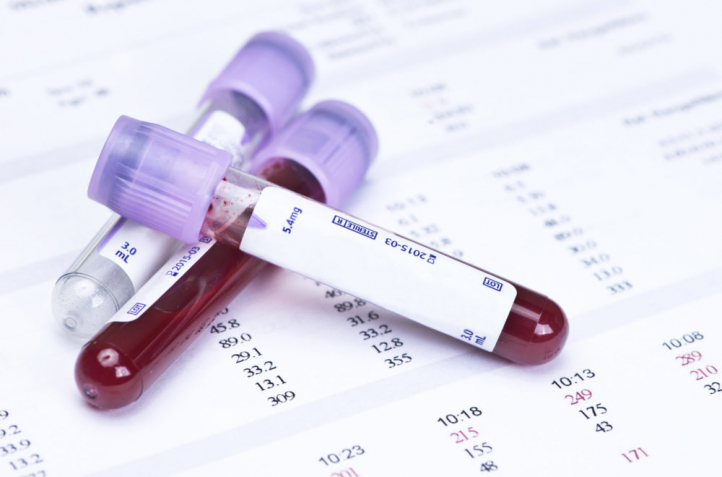
Blood sodium testing is used to detect hyponatremia or hypernatremia associated with dehydration, edema, and a variety of diseases. Your doctor may order this test, along with other electrolytes, to screen for an electrolyte imbalance. It may be ordered to determine if a disease or condition involving the brain, lungs, liver, heart, kidney, thyroid, or adrenal glands is causing or being exacerbated by a sodium deficiency or excess. In patients with a known electrolyte imbalance, a blood sodium test may be ordered at regular intervals to monitor the effectiveness of treatment. It may also be ordered to monitor patients taking medications that can affect sodium levels, such as diuretics.

Urine sodium levels are typically tested in patients who have abnormal blood sodium levels to help determine whether an imbalance is from, for example, taking in too much sodium or losing too much sodium. Urine sodium testing is also used to see if a person with high blood pressure is eating too much salt. It is often used in persons with abnormal kidney tests to help the doctor determine the cause of kidney damage, which can help guide treatment.


When is it ordered?
This test is a part of the routine lab evaluation of most patients. It is one of the blood electrolytes, which are often ordered as a group. It is also included in the basic metabolic panel, widely used when someone has non-specific health complaints, and in monitoring treatment involving IV fluids or when there is a possibility of developing dehydration. Electrolyte panels and basic metabolic panels are also commonly used to monitor treatment of certain problems, including high blood pressure, heart failure, and liver and kidney disease.

A blood sodium test may be ordered when a patient has symptoms of hyponatremia, such as weakness, confusion, and lethargy, or symptoms of hypernatremia such as thirst, decreased urinary output, muscle twitching, and/or agitation.


What does the test result mean?
A low level of blood sodium means you have hyponatremia, which is usually due to too much sodium loss, too much water intake or retention, or to fluid accumulation in the body (edema). If sodium falls quickly, you may feel weak and fatigued; in severe cases, you may experience confusion or even fall into a coma. When sodium falls slowly, however, there may be no symptoms. That is why sodium levels are often checked even if you don’t have any symptoms.

Hyponatremia is rarely due to decreased sodium intake (deficient dietary intake or deficient sodium in IV fluids). Most commonly, it is due to sodium loss (Addison’s disease, diarrhea, excessive sweating, diuretic administration, or kidney disease). In some cases, it is due to increased water (drinking too much water, heart failure, cirrhosis, kidney diseases that cause protein loss [nephrotic syndrome]). In a number of diseases (particularly those involving the brain and the lungs, many kinds of cancer, and with some drugs), your body makes too much anti-diuretic hormone, causing you to keep too much water in your body.

A high blood sodium level means you have hypernatremia and is almost always due to dehydration without enough water intake. Symptoms include dry mucous membranes, thirst, agitation, restlessness, acting irrationally, and coma or convulsions if levels rise extremely high. In rare cases, hypernatremia may be due to increased salt intake without enough water, Cushing syndrome, or a condition caused by too little anti-diuretic hormone (ADH), called diabetes insipidus.

Sodium urine concentrations must be evaluated in association with blood levels. Concentrations may mirror blood levels or be the opposite. The body normally excretes excess sodium, so the concentration in the urine may be elevated because it is elevated in the blood. It may also be elevated in the urine when the body is losing too much sodium. In this case, the blood level would be normal to low. If blood sodium levels are low due to insufficient intake, then urine concentrations will also be low.

  • Decreased urinary sodium levels may indicate dehydration, congestive heart failure, liver disease, or nephrotic syndrome.
  • Increased urinary sodium levels may indicate diuretic use or Addison’s disease.
  • Sodium levels are often evaluated in relation to other electrolytes and can be used to calculate anion gap in order to identify the cause of acidosis.

    NOTE: The result of your sodium test is measured by your doctor against a reference range for the test to determine whether the result is “normal” (it is within the range of numbers), high (it is above the high end of the range), or low (it is below the low end of the range). Because there can be many variables that affect the determination of the reference range, the reference range for this test is specific to the lab where your test sample is analyzed. For this reason, the lab is required to report your results with an accompanying reference range. Typically, your doctor will have sufficient familiarity with the lab and your medical history to interpret the results appropriately.

    While there is no such thing as a “standard” reference range for sodium, most labs will report a similar, though maybe not exactly the same, set of numbers as that included in medical textbooks or found elsewhere online. For this reason, we recommend that you talk with your doctor about your lab results. For general guidance only, we are providing the reference range for this test from the classic medical text, Tietz Textbook of Clinical Chemistry and Molecular Diagnostics.

    For more information on reference ranges, please read Reference Ranges and What They Mean.


    Is there anything else I should know?
    Certain drugs such as anabolic steroids, corticosteroids, laxatives, cough medicines, and oral contraceptives may cause increased levels of sodium. Other drugs such as diuretics, carbamazepine, and tricyclic antidepressants may cause decreased levels of sodium.


    This article was last reviewed on March 20, 2008.
     
    In the NewsUnderstanding Your TestsInside the Lab
    About the SiteSite MapSend Us Your CommentsHome


    We comply with the HONcode standard for trustworthy health
    information:
    verify here.


    ©2001-2008 American Association for Clinical Chemistry
    Email concerns to

    Terms of UsePrivacy