
HON Code Lab Tests Online US English UK English Polish Italian Hungarian Greek Spanish German Czech Australian English


in the news

understanding
your tests

inside the lab

about this site

site map

send us your
comments


home


Porphyrin Tests

Formal name: Primary tests: Porphyrins, Delta-aminolevulinic acid (ALA), and porphobilinogen (PBG)
Related tests: Zinc protoporphyrin (ZPP)
The Test Sample
 
What is being tested?
Porphyrins are a group of compounds defined by their chemical structure. They are an integral part of certain proteins found in the body such as hemoglobin, myoglobin, and specific enzymes. Porphyrin tests are assays that are used to help diagnose and monitor a group of disorders called porphyrias. Most porphyrin tests detect and measure the by-products of heme synthesis. Heme, an iron-containing pigment, is a part of hemoglobin and a number of other proteins. The synthesis of heme is a step-by-step process that requires the sequential action of eight different enzymes. If there is a deficiency in one of these enzymes, a bottleneck forms and precursors (porphyrins such as uroporphyrins, coproporhyrins, and protoporhyrins) build up in the body’s fluids and tissues and are excreted in urine and feces. The precursors that build up depend on where the bottleneck (or enzyme deficiency) is located.

There are six major porphyrias, and each one is associated with a different enzyme deficiency. Most porphyrias are inherited in an autosomal dominant fashion, with one normal and one affected gene. This results in about a 50% reduction in the activity of the heme-related enzyme. Enough heme is synthesized to prevent the affected person from becoming anemic, but a large excess of one or more precursors is produced.

Porphyrias may be classified according to:

  • The affected enzyme
  • The part of the body where the excess porphyrins are produced
    • Hepatic - associated with the liver
    • Erythropoietic - associated with red blood cell production or
  • The signs and symptoms of the disease (neurological/psychiatric, cutaneous, or both).

Those porphyrias that cause neurological/psychiatric symptoms present with acute attacks that may last for days or weeks. They are associated with abdominal pain, nausea, constipation, depression, confusion, hallucinations, and seizures. Attacks may be triggered by a variety of drugs (such as anticonvulsants, antibiotics, and hormones) and environmental factors (such as dietary changes, stress, and exposure to toxic substances).

The cutaneous porphyrias are associated with photosensitivity. Sunlight exposure, even through a glass window, has a toxic effect on the patient’s skin. This may cause redness, swelling, and a burning sensation in some patients, while in others it leads to blistering, skin thickening, hyperpigmentation, and in some cases scarring.

Acute attack porphyrias (neurological/psychiatric) include:

  • Acute intermittent porphyria (AIP), the most common of the neurological porphyrias
  • Variegate porphyria (VP), which includes both neurological symptoms and photosensitivity
  • Hereditary coproporphyria (HCP), which may present with neurological symptoms, photosensitivity, or both

Cutaneous porphyrias include:

  • Porphyria cutanea tarda (PCT), the most common porphyria; it is unlike the other porphyrias. Most cases are due to an acquired enzyme deficiency that is triggered by liver dysfunction.
  • Protoporphyria (also called erythropoietic protoporphyria), typically begins in childhood or adolescence; sun-exposed skin turns red accompanied by burning and itching, but scarring is uncommon.
  • Congenital erythropoietic porphyria (CEP), a very rare autosomal recessive disorder; over time, extreme photosensitivity leads to extensive and severe scarring of light-exposed areas.

In rare cases, a patient may have two different porphyrias or a homozygous deficiency of one enzyme that produces a more severe form of porphyria.

Individual Tests
Clinical laboratories measure porphyrins and their precursors in urine, blood, and feces. These tests are listed below:

  • Delta-aminolevulinic acid (ALA) in urine
  • Porphobilinogen (PBG) in urine
  • Porphyrins including uroporphyrins, coproporphyrins, and protoporphyrins in urine, feces, or blood
  • Zinc protoporphyrin (or free erythrocyte protoporphyrin), one test for protoporphyrins in red blood cells

Specialized laboratories may offer testing for one or more of the affected enzymes. The most commonly measured enzyme is porphobilinogen deaminase (PBG-D) in red blood cells, which tests for patients with acute intermittent porphyria. A few research laboratories offer genetic testing for specific gene mutations that cause one of the porphyrias, but this remains primarily a research tool.


How is the sample collected for testing?
The sample collected depends on the porphyrin tests being ordered. It may be one or more of the following:
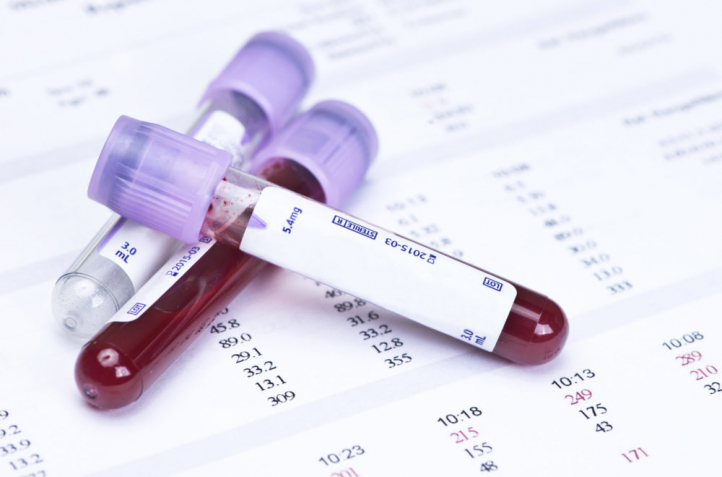
  • A blood sample obtained by inserting a needle into a vein in the arm
  • A random or 24-hour urine collection (urine must be protected from light during collection)
  • A fresh stool sample that is not contaminated with urine or water

NOTE: If undergoing medical tests makes you or someone you care for anxious, embarrassed, or even difficult to manage, you might consider reading one or more of the following articles: Coping with Test Pain, Discomfort, and Anxiety, Tips on Blood Testing, Tips to Help Children through Their Medical Tests, and Tips to Help the Elderly through Their Medical Tests.

Another article, Follow That Sample, provides a glimpse at the collection and processing of a blood sample and throat culture.


Is any test preparation needed to ensure the quality of the sample?
No test preparation is needed.


This article was last reviewed on July 1, 2008.
 
In the NewsUnderstanding Your TestsInside the Lab
About the SiteSite MapSend Us Your CommentsHome


We comply with the HONcode standard for trustworthy health
information:
verify here.


©2001-2008 American Association for Clinical Chemistry
Email concerns to

Terms of UsePrivacy