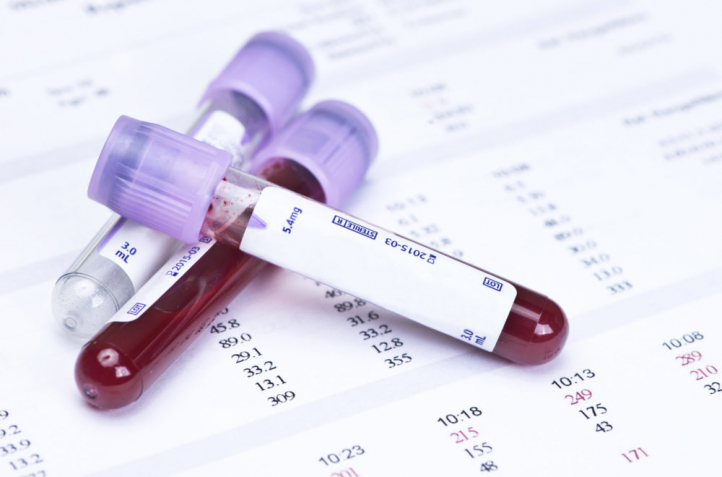

The phenytoin test is ordered to measure and monitor the amount of phenytoin in the blood and to determine whether drug concentrations are in the therapeutic range. It may be ordered every few days when a patient first begins taking phenytoin to help adjust the dose to the desired blood level. The test is then ordered at regular intervals, and as needed, to monitor blood concentrations. One or more phenytoin tests may be ordered if a patient starts or stops taking additional medications (to judge their effect, if any, on phenytoin levels) and may be ordered if the patient has a seizure or if a doctor suspects toxicity.
Usually, a total phenytoin test is ordered. In the blood, phenytoin is highly bound to serum proteins. Only the portion of phenytoin that is unbound or “free” is pharmacologically active. Under normal conditions, the balance between bound and unbound phenytoin in the blood is relatively stable, so measuring the total phenytoin (bound plus unbound) is appropriate for monitoring therapeutic levels. However, in certain conditions and disease states, that balance can be upset, the percentage of free or active phenytoin can increase and the patient may experience symptoms of toxicity even though their total phenytoin result falls within therapeutic range. In such cases, doctors may order a free phenytoin test to monitor the patient’s levels.
Phenytoin is ordered frequently when a patient is starting phenytoin treatment and when/if a patient’s medications change (other drugs are started, stopped, or changed). Once stable blood concentrations in the therapeutic range have been achieved, then phenytoin is monitored at regular intervals to ensure that it remains in this range.
The test may be ordered when a patient’s condition does not appear to be responding to phenytoin (continues to have seizures) to determine whether concentrations are too low, the medication is ineffective, and/or to determine if the patient is complying with therapy (taking the phenytoin regularly). It may also be ordered when a patient experiences a troublesome level of side effects and/or exhibits symptoms that the doctor suspects may be due to toxicity.
A free phenytoin level may be ordered when a patient has a condition where the percentage of free or active phenytoin may be increased. Some examples include:
Kidney failure
Hepatic (liver) disease
Hypoalbuminemia (low levels of albumin, a type of protein present in the blood)
If the patient is taking other medications such as aspirin, naproxen or ibuprofen
The therapeutic ranges for adults taking phenytoin have been established at 10.0-20.0 µg/mL for total phenytoin (bound plus unbound) and 1.0-2.0 µg/mL for free phenytoin (unbound only). The range for percent free phenytoin is 8-14%. Within these ranges, most people will respond to the drug without symptoms of toxicity. Response and side effects will be individual, however. Some people will experience seizures at the low end of the therapeutic range and some people will experience excessive side effects at the upper end. Patients should work closely with their doctor to find the dosage and concentration that works the best for them.
In general, when phenytoin results are in the therapeutic range, the patient is not having recurrent seizures, and the patient is not experiencing significant side effects, then the dosage of phenytoin a patient is receiving is adequate. Patients should not increase, decrease or stop taking their medication without consulting with their doctor as it can increase their risk of having a seizure and may affect other medications that they are taking. Dosage determinations and adjustments must be evaluated on a case-by-case basis.
Patients who take phenytoin long-term may develop vitamin D deficiency, osteomalacia, peripheral neuropathy (weakness and numbness in extremities), acne, and a thickening of facial features. Rarely, a patient may develop a severe rash and skin condition that requires hospitalization.
Women who use phenytoin during pregnancy are at an increased risk of several birth defects. Women who want to become pregnant should talk to their doctors about this subject.
Phenytoin is sometimes prescribed for other conditions, such as to help treat trigeminal neuralgia (which causes episodes of sharp pain along the jaw) and other causes of nerve pain. This use must also be monitored.
A variety of prescribed drugs, over-the-counter medications, and supplements can increase, decrease, or interfere with the concentrations of phenytoin in the blood. Drugs that can increase phenytoin in the body include: diazepam, carbamezepine (can raise or lower), alcohol, aspirin (large doses), chloramphenicol, estrogen, isoniazid, omeprazole, trimethoprim, and warfarin. Drugs that can decrease phenytoin include: antacids (when taken with phenytoin), folic acid, chronic alcohol abuse, rifampin, and methotrexate. There are also a variety of drugs that are affected by phenytoin. Patients should talk to their doctors about all of the drugs and supplements that they are taking and about the medication(s) that are right for them. Phenytoin is not effective for every kind of seizure and will not work for every patient.
This article was last reviewed on November 26, 2006.
This page was last modified on June 1, 2009.
The review date indicates when the article was last reviewed from beginning to end to ensure that it reflects the most current science. A review may not require any modifications to the article, so the two dates may not always agree.
The modified date indicates that one or more changes were made to the page. Such changes may or may not result from a full review of the page, so the two dates may not always agree.