
Ethical guidelines for our site UK English Polish Italian Hungarian German Spanish US English Australian English


in the news

understanding
your tests

inside the lab

about this site

site map

send us your
comments


home


Herpes

Also known as: Genital Herpes, Oral Herpes, Cold Sores
Formal name: Herpes Simplex Virus, Type1 and Type 2 (HSV-1 and HSV-2)
Related tests: TORCH
The Test Sample
 
What is being tested?
Herpes simplex testing is performed to identify an acute herpes infection or to detect herpes antibodies, an indication of a previous exposure to herpes. One of the most common viral infections, herpes simplex virus (HSV) exists in two types, HSV-1 and HSV-2. Both types are contagious and periodically cause small fever blisters (vesicles) that break to form open lesions. HSV-1 primarily causes blisters or “cold sores” around the oral cavity and mouth, while HSV-2 usually causes lesions around the genital area; however, either one can affect the oral or genital area.

The herpes simplex virus can be passed from person to person through skin contact while the sores are open and healing, and sometimes asymptomatically when there are no visible sores. HSV-2 is frequently a sexually transmitted disease but HSV-1 also may be acquired during oral sex and found in the genital area. According to the American Social Health Association and their National Herpes Resource Center, about 50% to 80% of adults in the U.S. have HSV-1 and about 20% have HSV-2. Because symptoms may be mild, 90% of those who have HSV-2 may be unaware that they have been infected.

Once someone is infected and the initial infection resolves, they will harbor the HSV in a latent form. During periods of stress or illness, the virus may reactivate. In most cases, HSV outbreaks are a painful annoyance rather than a health threat, but the virus can also cause neonatal herpes (an infant is infected by a mother who has active genital herpes during birth) and encephalitis. These illnesses can be fatal and can cause serious permanent neurological problems in those who survive. Patients with conditions that cause their immune system to be suppressed, such as those with HIV/AIDS or those who have had an organ transplant, may have more frequent and serious outbreaks of HSV.

HSV testing detects either the virus itself, its viral DNA or antibodies to the virus. During an acute primary infection or reactivation, the virus may be detected by:

  • Herpes culture. A sample of fluid is collected from an open sore (the most common sample). It is incubated in a nutrient environment to grow and isolate the virus. This test is sensitive and specific, but it takes 2 or more days to complete. Fresh lesions are the best for this test. Viral shedding decreases over time and can lead to a false negative result. Once the virus is grown in culture, it is possible to determine if it is HSV-1 or HSV-2.
  • HSV DNA testing. Can be done to detect HSV genetic material in a patient sample. This method can type and quantitate the virus and is good in circumstances where the virus is present in low numbers (such as viral encephalitis) or if the lesion is several days old. This is the best method to detect HSV meningitis, encephalitis, or keratitis due to increased sensitivity and also because cerebrospinal fluid is not a good medium for cultures.
  • HSV antibody testing. Antibodies to HSV are specific proteins that the body creates and releases into the bloodstream to fight the infection. HSV IgM antibody production begins several days after a primary (initial) HSV infection and may be detectable in the blood for several weeks. HSV IgG antibody production begins after HSV IgM production. Concentrations rise for several weeks, fall, and then stabilize in the blood. Once someone has been infected with HSV, they will continue to produce small quantities of HSV IgG. HSV antibody testing can detect both viral types (HSV-1 and HSV-2) and tests are available that can detect the early IgM antibodies as well as the IgG antibodies that remain forever in those who have been exposed.

  • How is the sample collected for testing?
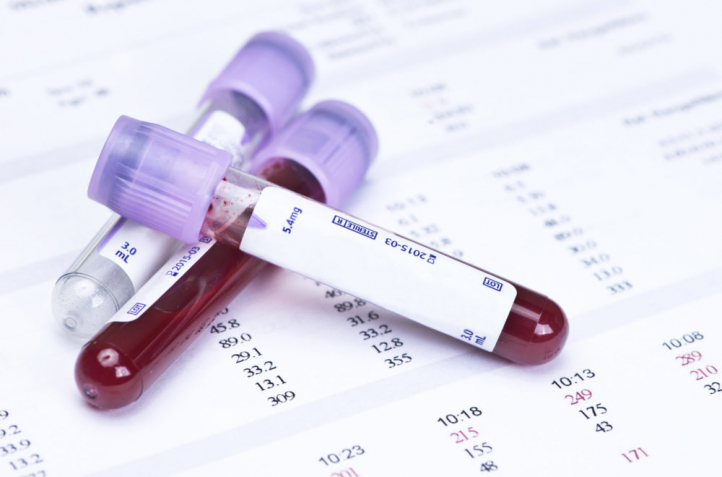
    Your doctor will take a swab or scraping from a blister or sore in the genital area. A sample of cerebrospinal fluid (CSF) may be collected from the spinal column when meningitis or encephalitis is suspected. For antibody testing, a blood sample is obtained by inserting a needle into a vein in the arm.

    NOTE: If undergoing medical tests makes you or someone you care for anxious, embarrassed, or even difficult to manage, you might consider reading one or more of the following articles: Coping with Test Pain, Discomfort, and Anxiety, Tips on Blood Testing, Tips to Help Children through Their Medical Tests, and Tips to Help the Elderly through Their Medical Tests.

    Another article, Follow That Sample, provides a glimpse at the collection and processing of a blood sample and throat culture.


    This article was last reviewed on August 30, 2006.
     
    In the NewsUnderstanding Your TestsInside the Lab
    About the SiteSite MapSend Us Your CommentsHome


    We comply with the HONcode standard for trustworthy health
    information:
    verify here.


    ©2001-2008 American Association for Clinical Chemistry
    Email concerns to

    Terms of UsePrivacy