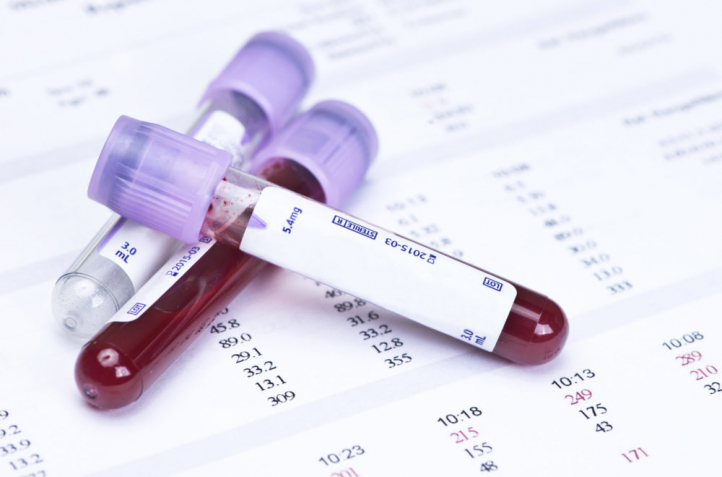

Fructosamine testing has been available since the 1980s. Both fructosamine and A1C tests are used primarily as monitoring tools to help diabetics control their blood sugar, but the A1C test is much more popular and more widely accepted. However, the American Diabetes Association (ADA) recognizes both tests and says that fructosamine may be useful in situations where the A1C cannot be reliably measured. Instances where fructosamine may be a better monitoring choice than A1C include:
Rapid changes in diabetes treatment – fructosamine allows the effectiveness of diet or medication adjustments to be evaluated after a couple of weeks rather than months
Diabetic pregnancy – good control is essential during pregnancy, and the needs of the mother frequently change during gestation; fructosamine measurements may be ordered along with glucose levels to help monitor and accommodate shifting glucose and insulin requirements
RBC loss or abnormalities – an A1C test will not be accurate when a patient has a condition that affects the average age of red blood cells (RBCs) present, such as hemolytic anemia or blood loss. The presence of some hemoglobin variants may affect certain methods for measuring HbA1c. In these cases, fructosamine can be used to monitor glucose control.
Since the fructosamine concentrations of well-controlled diabetics may overlap with those of non-diabetics, the fructosamine test is not useful as a screen for diabetes.
Although not widely used, the fructosamine test may be ordered whenever the doctor wants to monitor a patient's average glucose levels over the past 2 to 3 weeks. It is primarily ordered when a diabetic treatment plan is being instituted or altered in order to monitor the effect of the change in diet or medication. Fructosamine levels also may be ordered when a diabetic patient is pregnant or when they have an acute or systemic illness that may change their glucose and insulin requirements for a period of time. The fructosamine test may be used when monitoring is required and an A1C test cannot be reliably used.
What does the test result mean? NOTE: This test has no single number that identifies an abnormal result.
Your lab report (see a sample report) should include
a range of numbers (reference range) that identifies what is expected for you based on
your age, sex, and the method used in that laboratory. You can find more information
about expected results at Reference Ranges
and What They Mean. Lab Tests Online strongly recommends that you discuss the meaning of your test results with your doctor.
If a patient’s fructosamine is increased, then the patient’s average glucose over the last 2 to 3 weeks has been elevated. In general, the higher the fructosamine concentration the higher the average blood glucose level. Trends may be more important that absolute values. If there is a trend from a normal to high fructosamine, it may indicate that a patient’s glucose control is not adequate – that they are getting too much sugar, too little insulin, or that their insulin treatment has become less effective.
Normal fructosamine levels may indicate that a patient is either not diabetic (and therefore should not be monitored) or that he has good diabetic control. A trend from high to normal fructosamine levels may indicate that changes to a patient’s treatment regimen are effective.
Fructosamine results must be evaluated in the context of the patient’s total clinical findings. Falsely low fructosamine results may be seen with decreased blood total protein and/or albumin levels, with conditions associated with increased protein loss, or with changes in the type of protein produced by the body. In this case, a discrepancy between the results obtained from daily glucose monitoring and fructosamine testing may be noticed. Also, someone whose glucose concentrations swing erratically from high to low may have normal or near normal fructosamine and A1C levels but still have a condition that requires frequent monitoring.
This article was last reviewed on March 25, 2008.
This page was last modified on April 8, 2009.
The review date indicates when the article was last reviewed from beginning to end to ensure that it reflects the most current science. A review may not require any modifications to the article, so the two dates may not always agree.
The modified date indicates that one or more changes were made to the page. Such changes may or may not result from a full review of the page, so the two dates may not always agree.