
How is it used?
The ethanol/alcohol test is used for both medical and legal purposes. Samples and results for each use are usually collected and tested separately.
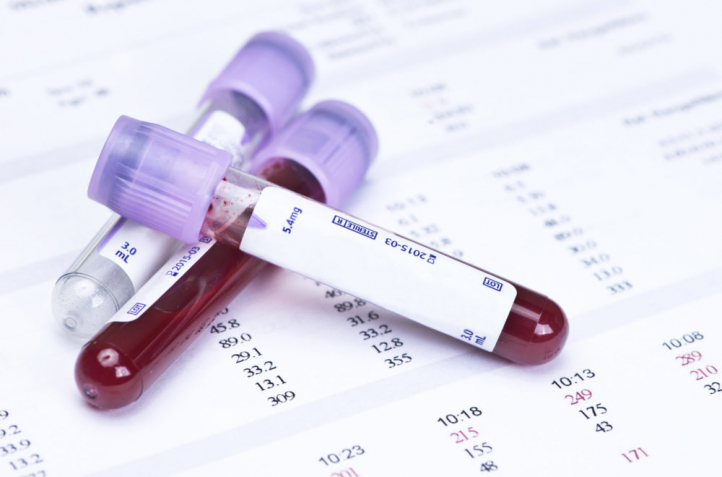
Medical: The goal of medical testing is to identify the presence of alcohol in order to effectively treat the patient's symptoms. For medical purposes, blood, and sometimes urine, alcohol tests are used to detect the presence of ethanol and to evaluate its concentration. One or more of these tests may be ordered when a patient presents to the Emergency Room with symptoms suggesting ethanol toxicity. Symptoms may include confusion, staggering, vomiting, lethargy, and unconsciousness. Other tests, such as a Complete Blood Count (CBC), glucose, and electrolytes are often ordered at the same time as there are a variety of other conditions that can cause similar symptoms. Additional drug testing and testing for the presence of other more toxic alcohols (such as methanol and isopropyl alcohol) may also be performed if the use of other substances is suspected.
Legal: The goal of legal testing is to identify the presence of alcohol and to evaluate its presence in the context of a variety of different laws. Legal testing must be done by specially trained people and must have a strict chain-of-custody (a paper trail that records sample movement and handling). Testing may be ordered to determine whether an erratic driver has a blood alcohol concentration that is over the legal limit, to determine whether an under-age minor has been drinking, whether someone on parole has abstained from alcohol, and to determine whether alcohol consumption has contributed to an accident. Post-mortem ethanol testing may be done to determine whether alcohol contributed to a person’s death. Legal ethanol testing may also be performed randomly or “with cause” as part of an employer's drug testing program to determine whether an employee has alcohol in their system. It may also be part of the testing that is done as part of an application for life insurance. (These uses are considered legal alcohol tests because they require chain-of-custody documents.)
Samples tested for legal purposes may include blood, breath, urine, and/or saliva testing. Breath testing is the most common test performed on drivers. It uses the tail end sample of breath from deep in the lungs and uses a conversion factor to estimate the amount of alcohol in the blood. Blood alcohol testing may be ordered to confirm or refute findings, and/or ordered as an alternative to breath testing. Urine testing may also be performed as an alternative. Usually, a patient collects and discards a urine sample and then collects a second sample 20 to 30 minutes later. The amount of alcohol in the first sample will be variable because it is unknown how long the urine has been in the bladder. The second sample will reflect a timed sample, and a different conversion factor can then be used to estimate blood alcohol. A random urine sample is sometimes ordered to monitor people for the presence of alcohol. Saliva alcohol testing is not as widely used, but may be used as an alternate screening test.
^ Back to top
When is it ordered?
Medical ethanol testing is ordered when a patient has symptoms that suggest intoxication and or ethanol toxicity.
Legal ethanol testing may be ordered whenever there is reason to suspect that a person has not followed a drinking-related law, and whenever there has been an accident and/or unexpected death – to determine whether alcohol played a role. Employment alcohol testing may be performed randomly and when the employer suspects that an employee has alcohol in their system while on the job. Insurance testing is primarily performed when a person is applying for a policy.
^ Back to top
What does the test result mean?
For medical testing, the detection of ethanol in a sample indicates that a person has likely been drinking, and the concentration present can give an indication of how severe the degree of ethanol toxicity is. Symptoms and complications may vary significantly from person to person, however, depending on the individual's general health, age, and other medications or drugs that he or she is taking. The ability to clear the alcohol out of the body also depends on the availability of the necessary enzymes and the functioning of the patient’s liver. For legal testing, results obtained are compared to legal allowable limits.
^ Back to top
Is there anything else I should know?
Different ethanol sample results are not interchangeable. Breath and urine samples are considered to be good estimates of blood alcohol concentrations in most people but can be affected by a variety of factors. Urine concentrations lag behind blood concentrations.
Urine samples that contain both glucose and microorganisms (such as may be seen in diabetics) should not be left at room temperature for extended periods of time as there is the potential for the microorganisms present to ferment the glucose in the sample and produce ethanol. This can also be seen in post mortem samples. Occasionally, two serotonin metabolites, 5-HIAA (5-hydroxyindoleacetic acid) and 5-HTOL (5-hydroxytryptphol), may be tested to evaluate this phenomenon and confirm ethyl alcohol ingestion. An increased ratio of 5-HTOL/5-HIAA can be indicative of alcohol consumption.
Breath sample concentrations can be affected by alcohol consumption within the last few minutes, ketones (released into the breath by some diabetics and dieters), and by other substances that contain alcohol such as mouthwash and cough syrup.
^ Back to top