
|
|
|
|
|
|
CSF Analysis
Also known as: Spinal fluid analysis Formal name: Cerebrospinal fluid analysis Related tests: Glucose, Total Protein, CBC (Complete Blood Count), Lactate, Protein Electrophoresis, Antibody Tests, AFB Smear and Culture, Blood Culture, Herpes, Lyme Disease, Rubella, Syphilis, West Nile Virus
|
|
|
|
      |
|
|
Common Questions
|
| |
1. What is a lumbar puncture (spinal tap) and how is it performed?
2. Are there other reasons to do a lumbar puncture?
3. Why do I need a spinal tap—why can’t my blood or urine be tested?
4. What other tests may be done in addition to CSF analysis?
1. What is a lumbar puncture (spinal tap) and how is it performed?
The lumbar puncture is a special but relatively routine procedure. It is usually performed while you are lying on your side in a curled up fetal position, but may sometimes be performed in a sitting position. It is crucial that you remain still during the procedure. Once you are in the correct position, your back is cleaned with an antiseptic and a local anesthetic is injected under the skin. When the area has become numb, a special needle is inserted through the skin, between two vertebrae, and into your spinal canal. It is gently advanced until it enters the subarachnoid space (located between the arachnoid and pia mater layers of the meninges) and cerebrospinal fluid (CSF) begins to flow. You may be asked to straighten out your legs at this point and relax your muscles. It is important not to move unless you are instructed to do so. An “opening” or initial pressure reading of the CSF is obtained. The doctor then collects a small amount of CSF in multiple sterile vials. A “closing” pressure is obtained, the needle is withdrawn, and a sterile dressing and pressure are applied to the puncture site. You will then be asked to lie quietly in a flat position, without lifting your head, for one or more hours to avoid a potential post-test spinal headache.
The lumbar puncture procedure usually takes less than half an hour. For most patients it is a moderately uncomfortable to somewhat painful procedure. The most common sensation is a feeling of pressure when the needle is introduced. Let your doctor know if you experience a headache or any abnormal sensations, such as pain, numbness, or tingling in your legs, or pain at the puncture site.
The lumbar puncture is performed low in the back, well below the end of the spinal cord – usually between lumbar (L) vertebrae L4 and L5. There are spinal nerves in the location sampled, but they have room to move away from the needle. There is the potential for the needle to contact a small vein on the way in. This can cause a “traumatic tap,” which just means that a small amount of blood may leak into one or more of the samples collected. While this is not ideal, it may happen a certain percentage of the time. The evaluation of your results will take this into account.
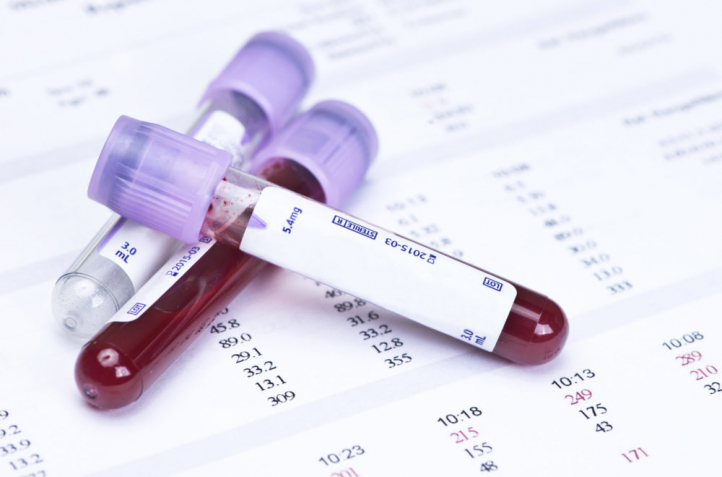
Blood from the collection procedure (spinal tap) may contaminate the first portion of CSF sample that is collected. However, there are usually three or more separate tubes used to collect CSF samples during one spinal tap procedure. The last tube that is collected during a spinal tap is least likely to have blood cells present due to the procedure and is usually the sample used to test for the presence of blood cells in the CSF. Likewise, the last sample collected is used for infectious disease testing since it will not be contaminated with microorganisms from inserting the needle through the skin.
2. Are there other reasons to do a lumbar puncture?
Yes. Sometimes it will be performed to introduce anesthetics or medications into the CSF. Repeated punctures are sometimes used to decrease CSF pressure.
3. Why do I need a spinal tap—why can’t my blood or urine be tested?
Spinal fluid, obtained during a spinal tap, is often the best sample to use for conditions affecting your central nervous system because your CSF surrounds your brain and spinal cord. Changes in the elements of your CSF due to CNS diseases or other serious conditions are often first and most easily detected in a sample of your spinal fluid. Tests on blood and urine may be used in conjunction with CSF analysis to evaluate your condition.
4. What other tests may be done in addition to CSF analysis?
Other laboratory testing that may be ordered along with or following CSF testing includes:
Blood culture to detect and identify bacteria in the blood
Cultures of other parts of the body – to detect the source of the infection that led to meningitis or encephalitis
Blood glucose, total protein – to compare with the concentration of CSF glucose and protein
CBC (complete blood count) – to evaluate cell counts in blood
Antibodies for a variety of viruses, such as West Nile Virus
ESR (Erythrocyte Sedimentation Rate) and CRP (C-reactive Protein) – indication of inflammation
CMP (Comprehensive Metabolic Panel) – a group of tests used to evaluate electrolyte balance and organ function
|
|
|

This article was last reviewed on
June 10, 2008.
|
| |
|
|
|
|
|
|
|