
US English UK English Polish Italian Hungarian Greek Spanish German Australian English


in the news

understanding
your tests

inside the lab

about this site

site map

send us your
comments


home


Catecholamines, Plasma and Urine

Also known as: Dopamine, Epinephrine, Norepinephrine, Free Urine Catecholamines
Related tests: Plasma Free Metanephrine, Urine Metanephrines, Vanillylmandelic acid (VMA)
The Test Sample
 
What is being tested?
Catecholamines are a group of similar hormones produced in the medulla (central portion) of the adrenal glands. The adrenal glands are small, triangular organs located on top of each kidney. The primary catecholamines are dopamine, epinephrine (adrenaline), and norepinephrine. These hormones are released into the bloodstream in response to physical or emotional stress. They help transmit nerve impulses in the brain, increase glucose and fatty acid release (for energy), dilate bronchioles (small air passages in the lungs), and dilate the pupils. Norepinephrine also constricts blood vessels (increasing blood pressure) and epinephrine increases heart rate and metabolism. After completing their actions, the hormones are metabolized to form inactive compounds. Dopamine becomes homovanillic acid (HVA), norepinephrine breaks down into normetanephrine and vanillylmandelic acid (VMA), and epinephrine becomes metanephrine and VMA. Both the hormones and their metabolites are excreted in the urine.

Normally, catecholamines and their metabolites are present in the body in small, fluctuating amounts that only increase appreciably during and shortly after a bout of stress. Pheochromocytomas and other neuroendocrine tumors, however, can produce large amounts of catecholamines, resulting in greatly increased concentrations of the hormones and their metabolites in both the blood and urine. This can cause persistent hypertension (high blood pressure) and/or bouts or episodes of severe hypertension, resulting in symptoms such as severe headaches, palpitations, sweating, nausea, anxiety, and tingling in the extremities.

About 90% of pheochromocytomas are located in the adrenal glands. While a few are cancerous, most are benign - they do not spread beyond their original location - although most do continue to grow. Left untreated, the symptoms may worsen as the tumor grows and, over a period of time, the hypertension that the pheochromocytoma causes may damage body organs, such as the kidneys and heart, and raise the risk of an affected patient having a stroke or heart attack.

Urine and plasma catecholamine testing can be used to help detect the presence of pheochromocytomas. Although only about 800 cases a year are diagnosed in the U.S. according to the National Cancer Institute, it is important to diagnose and treat these rare tumors because they cause a potentially curable form of hypertension. In most cases, the tumors can be surgically removed and/or treated to significantly reduce the amount of catecholamines being produced and to reduce or eliminate their associated symptoms and complications.

Catecholamine testing measures the amount of epinephrine, norepinephrine, and dopamine in the plasma or urine. (The metabolites of these hormones may be measured separately with a urine metanephrine and/or VMA test). The plasma catecholamine test measures the amount of hormones present at the moment of collection, while the urine test measures the amount excreted over a 24-hour period.


How is the sample collected for testing?
For the 24-hour urine collection, all of your urine should be saved for a 24-hour period. It is important that the sample be refrigerated during this time period.

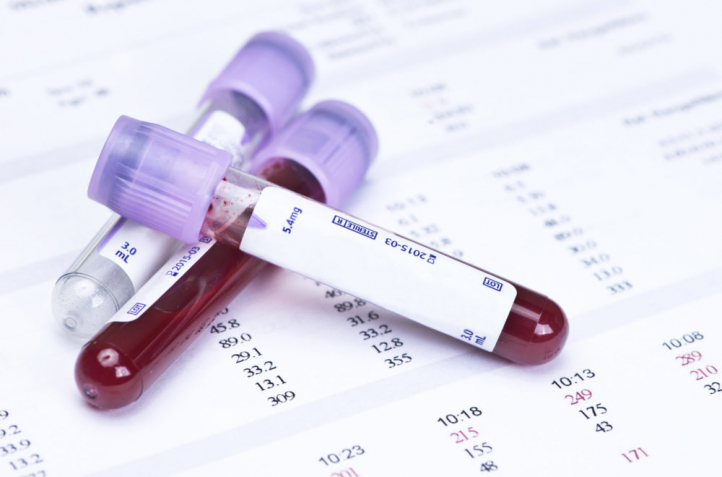
Plasma catecholamines are collected by inserting a needle into a vein in your arm. Although there is some disagreement over the specifics of how the sample should be collected, you may be asked to lie down and rest quietly for 15 – 30 minutes prior to sample collection, and your blood may be collected while you are lying down. In other circumstances, you may just be seated upright with little or no rest time before the sample collection.

NOTE: If undergoing medical tests makes you or someone you care for anxious, embarrassed, or even difficult to manage, you might consider reading one or more of the following articles: Coping with Test Pain, Discomfort, and Anxiety, Tips on Blood Testing, Tips to Help Children through Their Medical Tests, and Tips to Help the Elderly through Their Medical Tests.

Another article, Follow That Sample, provides a glimpse at the collection and processing of a blood sample and throat culture.


Is any test preparation needed to ensure the quality of the sample?
Since diet, exercise, and drugs may affect catecholamine levels, precautions need to be taken to assure that the sample reflects a true metabolic condition and not an interference or aberration. For this reason, you should talk to your doctor about your diet and any medications you are taking. Foods such as coffee (including decaf), tea, chocolate, vanilla, bananas, oranges and other citrus fruits should be avoided for several days prior to the test and during collection. There are also many medications that can potentially affect test results. Talk to your doctor about the prescription and over-the-counter drugs and supplements that you are taking. Wherever possible, those that are known to interfere should be discontinued prior to and during sample collection. Emotional and physical stresses and vigorous exercise should be minimized prior to and during test collection as they can increase catecholamine secretion.


This article was last reviewed on March 2, 2005.
 
In the NewsUnderstanding Your TestsInside the Lab
About the SiteSite MapSend Us Your CommentsHome


We comply with the HONcode standard for trustworthy health
information:
verify here.


©2001-2008 American Association for Clinical Chemistry
Email concerns to

Terms of UsePrivacy